

_WINNER.png)

_WINNER.png)


Understanding the Psychology of Home Buying
Buying a home is more than just a financial decision. It’s an emotional journey that involves hopes, dreams, and sometimes fears. When we decide to buy a house, we’re not just looking for a place to live. We’re searching for a space that feels like home. Understanding the psychology of home buying can help us make better choices and feel more confident throughout the process.
The Psychology of Home Buying: What Drives Us?
When we think about buying a home, several psychological factors come into play. These factors influence how we view properties, how we negotiate, and even how we feel after the purchase.
One big driver is security. A home represents safety and stability. It’s where we want to feel protected and comfortable. This need for security often pushes us to look for neighbourhoods with good schools, low crime rates, and friendly communities.
Another factor is identity. Our home reflects who we are. The style, size, and location say something about our lifestyle and values. For example, some people want a modern apartment in the city to match their fast-paced life. Others prefer a quiet house in the suburbs to enjoy peace and family time.
We also have emotional attachments. Sometimes, a house just “feels right.” It might remind us of a childhood home or have a layout that fits our family perfectly. These feelings can sometimes outweigh practical concerns like price or commute time.
Finally, there’s the fear of missing out. The property market can be competitive, and we might rush decisions because we don’t want to lose a good opportunity. This fear can lead to impulsive choices, so it’s important to stay grounded and think clearly.
Understanding these psychological drivers helps us see why buying a home is such a big deal. It’s not just about numbers; it’s about feelings and dreams.
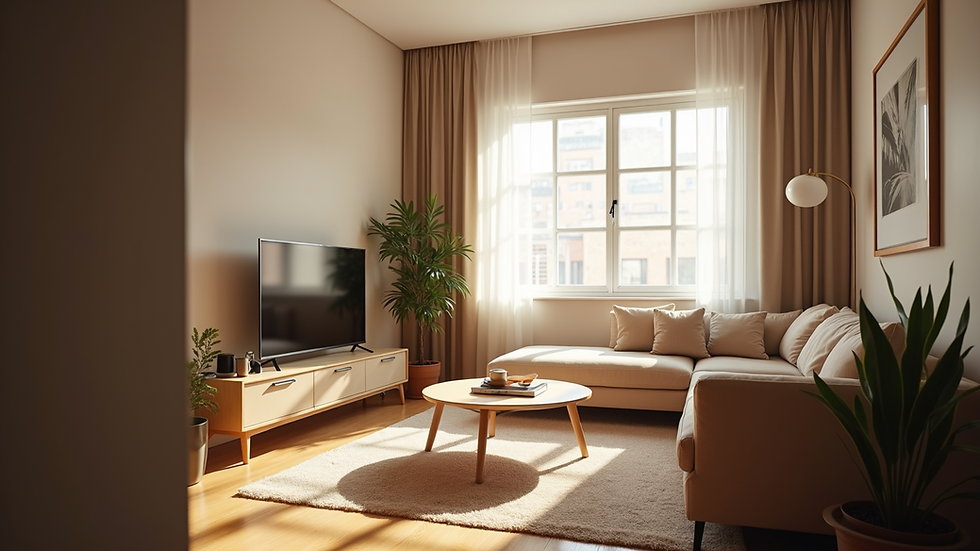
How Understanding the Psychology of Home Buying Helps You
Knowing the psychology behind buying a home can make the process smoother and less stressful. When we understand our own motivations and fears, we can make smarter decisions.
For example, if you know that security is your top priority, you can focus on homes in safe neighbourhoods. If identity matters most, look for properties that match your style and values. This clarity helps narrow down choices and saves time.
It also helps us manage emotions. Buying a home can be overwhelming, and it’s easy to get caught up in excitement or anxiety. Recognising these feelings allows us to pause and think logically. For instance, if you feel pressured to buy quickly, remind yourself to take a step back and review all the facts.
Another benefit is better communication with real estate agents and mortgage brokers. When you understand your own psychology, you can explain your needs clearly. This helps professionals provide advice that truly fits your situation.
Finally, understanding the psychology of buying a home helps us prepare for life after the purchase. We can set realistic expectations and plan for the changes a new home brings.
What Devalues a House the Most?
Knowing what can reduce a home’s value is crucial. It helps us avoid costly mistakes and make smart investments.
Here are some common factors that devalue a house:
Poor Location - Proximity to noisy roads, industrial areas, or unsafe neighbourhoods can lower value.
Structural Issues - Problems like foundation cracks, dampness, or outdated wiring scare buyers away.
Bad Layout - Homes with awkward room arrangements or lack of natural light are less appealing.
Neglected Maintenance - Peeling paint, broken fixtures, and overgrown gardens suggest neglect.
Unpleasant Surroundings - Nearby eyesores like abandoned buildings or rubbish dumps can hurt value.
Over-Personalisation - Highly customised interiors that don’t appeal to a broad audience can limit resale options.
When buying, it’s wise to look beyond surface appearances. A home might look charming but have hidden issues that reduce its worth. Getting a professional inspection is a smart move.
If you’re selling, addressing these factors can boost your home’s value. Simple fixes like repainting, cleaning up the garden, or improving lighting can make a big difference.

How Emotions Influence Negotiations
Negotiations are a key part of buying a home. Emotions play a big role here, sometimes more than logic.
When we love a house, we might be willing to pay more than planned. This emotional attachment can lead to overpaying. On the other hand, fear of making a bad deal might cause us to offer too little or back out too soon.
To handle this, it helps to separate feelings from facts. Make a list of must-haves and deal-breakers before you start negotiating. Stick to your budget and be ready to walk away if the price isn’t right.
Also, remember that the seller has emotions too. They might be attached to the home or under pressure to sell quickly. Understanding their perspective can help you find common ground.
Using a trusted buyers agent can keep negotiations professional. They can act as a buffer and help you stay calm and focused.
Practical Tips for First-Time Buyers and Investors
Whether you’re buying your first home or investing in property, these tips can help you navigate the process with confidence:
Do Your Homework: Research the market, neighbourhoods, and property types. Knowledge is power.
Get Prequalified by a broker: Knowing your borrowing capacity helps you shop realistically.
Inspect Thoroughly: Always get a professional building inspection to avoid surprises.
Plan for Extra Costs: Remember stamp duty, legal fees, and moving expenses.
Think Long-Term: Consider how the property fits your future plans.
Stay Emotionally Grounded: Take breaks if you feel overwhelmed.
Ask Questions: Don’t hesitate to seek advice from experts.
Use Trusted Partners: Work with mortgage brokers and buyers agents who understand your needs.
By following these steps, you can make the home buying journey less stressful and more rewarding.
Looking Ahead: Making Your Home Buying Journey Positive
Buying a home is a big step, but it can also be exciting and fulfilling. When we understand the psychology behind our decisions, we gain control over the process.
Remember, a home is not just a building. It’s a place where memories are made and dreams grow. By being aware of our emotions and motivations, we can choose a home that truly fits us.
If you want to learn more about the psychology of buying a home, take time to explore resources and talk to professionals. They can guide you through the emotional and practical sides of buying.
At the end of the day, the right home is out there. With the right mindset and support, you’ll find it and make it yours.
Thank you for reading. Here’s to your successful and happy home buying journey!
Comments